JGPEP+ · LABORATORY DOCUMENTATION
How to read a peptide Certificate of Analysis
A peptide certificate of analysis (peptide COA) is a report of tests performed on a particular sample or batch. This guide explains how to review peptide purity testing, HPLC results, LC-MS identity checks and batch numbers when assessing laboratory research materials. A COA helps a laboratory understand reported analytical findings; it does not, by itself, prove suitability for every experiment or establish safety for human or veterinary administration.
1. Match the report to the material
Before interpreting a number, check the product identity, sample or batch number, laboratory name, report date and test reference. Compare the lot shown on the COA with the lot printed on the material supplied to your lab. A report for another batch should not be treated as evidence for your batch.
2. Understand HPLC peptide purity and LC-MS identity testing
LC-MS (liquid chromatography–mass spectrometry) can provide analytical evidence about molecular identity. HPLC (high-performance liquid chromatography) can separate components and produce an estimate of chromatographic purity under the stated method. Neither technique automatically tells you whether a material is sterile, free from endotoxins or suitable for a particular use.
3. Understand peptide purity versus measured content
A stated purity percentage is not the same as the mass of material in a vial. For example, chromatographic area percentage and measured content in milligrams refer to different analytical questions. Results depend on the method, calibration, reference material and reporting conventions. Check whether the document provides a quantity result, how that result was calculated and whether uncertainties or limitations are stated.
4. Look for methods and limitations
Useful reports identify the laboratory, methods, measurements, date and the actual sample analysed. Where available, review chromatograms, mass spectra, reference standards, acceptance criteria and any stated measurement uncertainty. If something is missing or ambiguous, ask the supplier for clarification rather than assuming the missing test was passed.
5. Check whether additional testing is relevant
Different research applications may require different analytical controls. Depending on the material and experiment, researchers may need to assess water content, residual solvents, microbial contamination, endotoxins, sterility, counterions, stability or other specifications. A report that includes identity and purity only should not be described as having confirmed these other characteristics.
6. Separate published research from batch quality
A peer-reviewed paper can help explain the scientific background of a molecule, but it cannot verify the identity, composition or quality of the material a supplier provides. Read research findings and product batch documentation separately, then evaluate both against your laboratory’s own requirements.
Peptide COA checklist for UK laboratory procurement
Before placing a laboratory order, record the material and listed quantity, the intended assay requirements, the available lot-specific documentation, required testing methods, relevant storage information and the laboratory’s own procurement and safety procedures. Keep the applicable report with your internal batch records.
Find JGPEP+ documentation
You can review the available reports in our Certificate of Analysis library. For questions about a particular batch or additional documents, contact JGPEP+ with the exact product name and lot number. Visit the research library for educational explanations of selected studies.
Related JGPEP+ laboratory research products
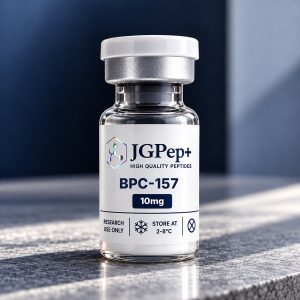
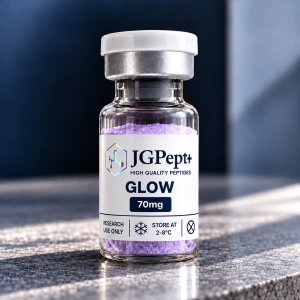
Explore research materials from the JGPEP+ catalogue, including BPC-157 10 mg, GLOW 70 mg, NAD+ 500 mg and MOTS-c 10 mg. These listings are shown for product information and laboratory procurement. Check the COA library and confirm that any available report matches the exact lot supplied; a report for a different batch does not verify your material.
Research-use notice: This page is informational material for laboratory documentation review, not medical advice or guidance on dosing, reconstitution or administration. Product suitability and compliance must be assessed for each research setting.
